
How to Avail Your Exclusive Jubilee Life Discount on Sehet.pk
Jul 07, 2026
Availing your exclusive discount on Sehet.pk is quick and easy.Start by visiting the www.S...
Read More →Jun 27, 2026
Introduction
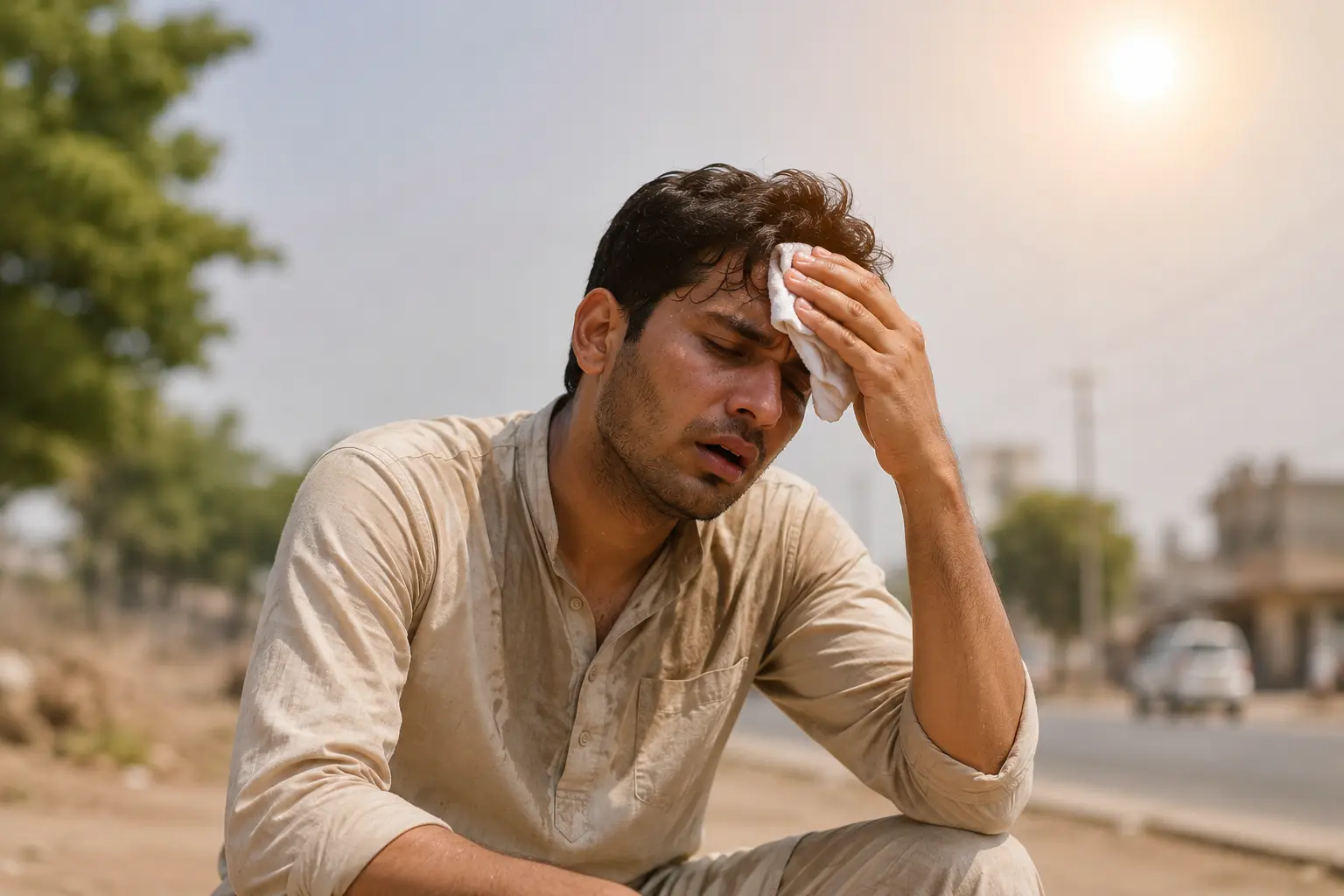
With Karachi's temperatures rising every summer, heat-related illnesses have become increasingly common. Spending long hours outdoors, dehydration, and prolonged exposure to high temperatures can quickly affect your health.
Many people confuse heatstroke vs heat exhaustion, but these conditions are very different. Heat exhaustion is an early warning that your body is overheating, while heatstroke is a life-threatening emergency that requires immediate medical attention.
Understanding the difference between heat exhaustion and heatstroke, recognizing the symptoms, and knowing when to seek medical care can help prevent serious complications.
What Is Heat Exhaustion?
Heat exhaustion occurs when your body loses excessive water and electrolytes through sweating, making it difficult to regulate body temperature.
Although it is less severe than heatstroke, ignoring heat exhaustion symptoms can allow the condition to progress into a medical emergency.
Common Heat Exhaustion Symptoms
Recognizing these symptoms early allows you to begin heat exhaustion treatment at home before the condition worsens.
What Is Heatstroke?
Heatstroke is the most serious heat-related illness. It occurs when the body's temperature rises above 40°C (104°F) and it can no longer cool itself effectively.
Without immediate treatment, heatstroke can damage the brain, heart, kidneys, and other vital organs.
Signs of Heatstroke
If you notice these signs of heatstroke, seek emergency medical attention immediately.
Heatstroke vs Heat Exhaustion: What's the Difference?
Although both conditions are caused by excessive heat exposure, they differ in severity and treatment.
Heat Exhaustion
Heatstroke
Knowing the difference between heat exhaustion and heatstroke helps you respond quickly and seek the right care.
Can Dehydration Lead to Heatstroke?
One of the most frequently asked questions is, "Can dehydration lead to heatstroke?"
The answer is yes.
When the body loses too much fluid, it cannot cool itself through sweating. This causes body temperature to rise rapidly, increasing the risk of heatstroke.
Symptoms of Severe Dehydration in Summer
Recognizing the symptoms of severe dehydration in summer and replacing lost fluids promptly can prevent serious complications.
How to Prevent Heatstroke in Summer
Preventing heat-related illnesses is easier than treating them.
Heat Stroke Prevention Tips for Elderly and Adults
These heat stroke prevention tips for elderly individuals are especially important because they are more vulnerable to dehydration and overheating.
Heat Exhaustion Treatment at Home
If someone develops mild heat exhaustion symptoms, take these steps immediately:
If symptoms do not improve within 30 minutes or become worse, seek medical care immediately.
When to Go to the Hospital for Heatstroke
Knowing when to go to the hospital for heatstroke can save lives.
Seek emergency medical care immediately if a person experiences:
If you're wondering, "High body temperature above 40°C—what should I do?", call emergency medical services immediately while beginning cooling measures if it is safe to do so.
How to Cool Down Body Temperature Fast
If someone is experiencing heat exhaustion while waiting for medical help:
These steps can lower body temperature but should never replace emergency treatment if heatstroke is suspected.
Home Healthcare Support During Summer
Extreme heat can be particularly dangerous for seniors, individuals with chronic illnesses, and patients recovering at home.
Professional home healthcare services can provide:
With Sehet.pk Clinical Care and Sehat Home Healthcare, families can receive professional medical support without unnecessary travel during extreme summer temperatures.
Frequently Asked Questions
Can dehydration lead to heatstroke?
Yes. Severe dehydration prevents the body from cooling itself effectively and significantly increases the risk of heatstroke.
What are the symptoms of severe dehydration in summer?
Common symptoms include extreme thirst, dry mouth, dark urine, dizziness, weakness, rapid heartbeat, and confusion.
How can I cool down body temperature fast?
Move to a cool place, remove excess clothing, apply cool water or ice packs, use a fan, and seek emergency medical care if symptoms suggest heatstroke.
When should I go to the hospital for heatstroke?
Seek immediate medical attention if there is a body temperature above 40°C, confusion, seizures, unconsciousness, or difficulty breathing.
Can home healthcare help during heat-related illnesses?
Yes. Home nursing services Karachi, doctor home visits, health monitoring, and medically supervised hydration support can help patients recover safely at home when appropriate.
Conclusion
Understanding heatstroke vs heat exhaustion is essential during Karachi's hot summer months. While heat exhaustion is an early warning sign that can often be managed with prompt cooling and hydration, heatstroke is a life-threatening emergency that requires immediate medical attention.
Recognizing heat exhaustion symptoms, identifying the signs of heatstroke, staying hydrated, and following heat stroke prevention tips for elderly individuals and other vulnerable groups can significantly reduce the risk of serious complications.
If you or a loved one needs professional healthcare support during extreme weather, Sehet.pk Clinical Care provides health monitoring at home Karachi, doctor home visit Karachi, home nursing services Karachi, and medically supervised care to help you stay safe and healthy throughout the summer.
📞 Phone: 0318-2800021
🌐 Website: www.sehet.pk